What Car? Reliability Survey: Most and least reliable premium SUVs
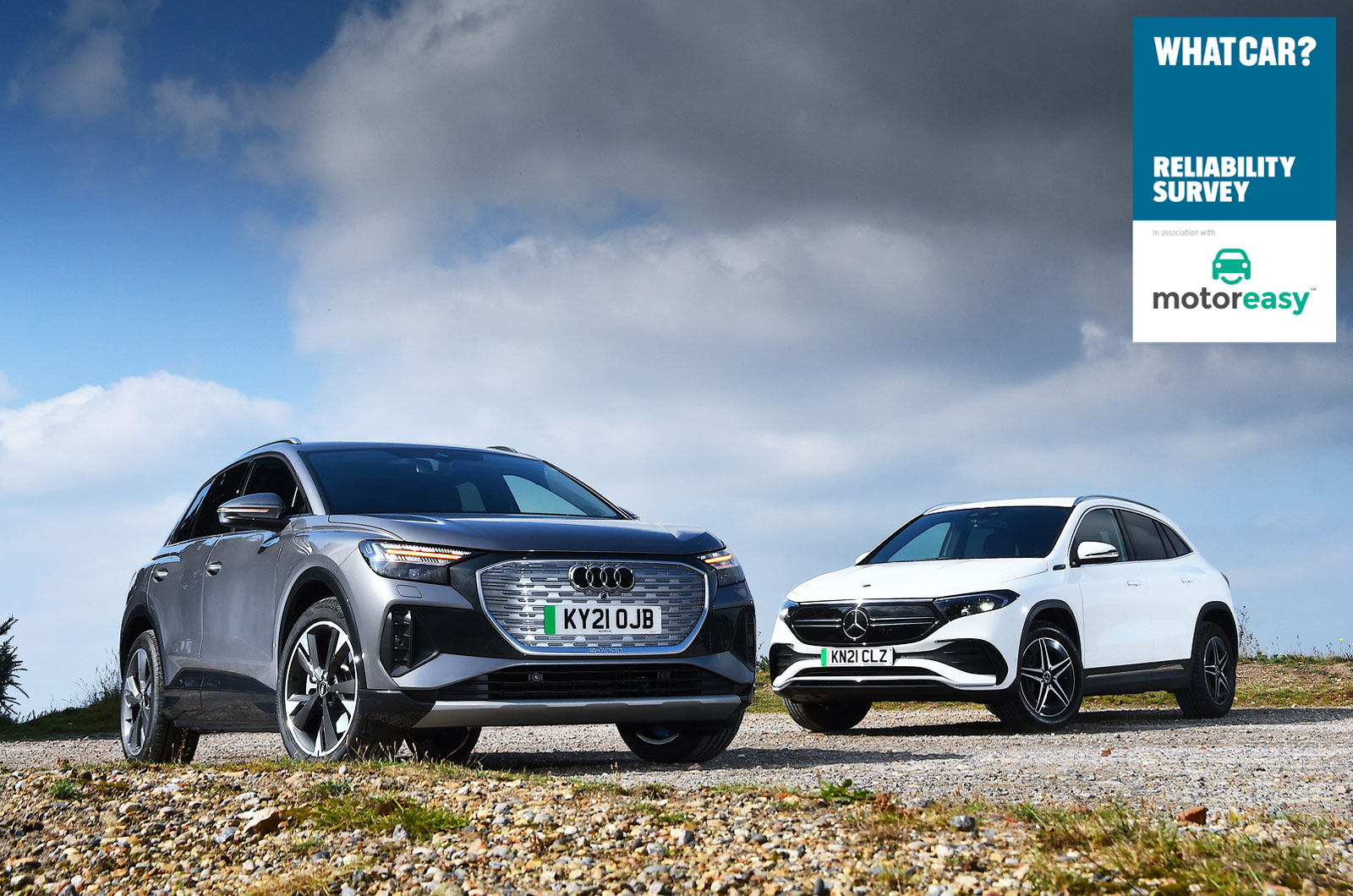
Premium SUVs are desirable, but not necessarily out of reach for many car buyers because their new list prices range from £50,000 to £70,000. Sitting between family SUVs and luxury cars, these upmarket models come with either combustion or electric power.
They generally have an appealing badge on their bonnets, and their interiors are luxuriously appointed, supremely comfortable and decked out with useful technology.
There are plenty of good models to choose from, but not all are the epitome of dependability. The average score for the class in the latest What Car? Reliability Survey is 89.3%, which is the lowest of all the classes rated.
The What Car? Reliability Survey is live, tell us about your car now
Most reliable premium SUVs
1. Porsche Macan (2014-present)
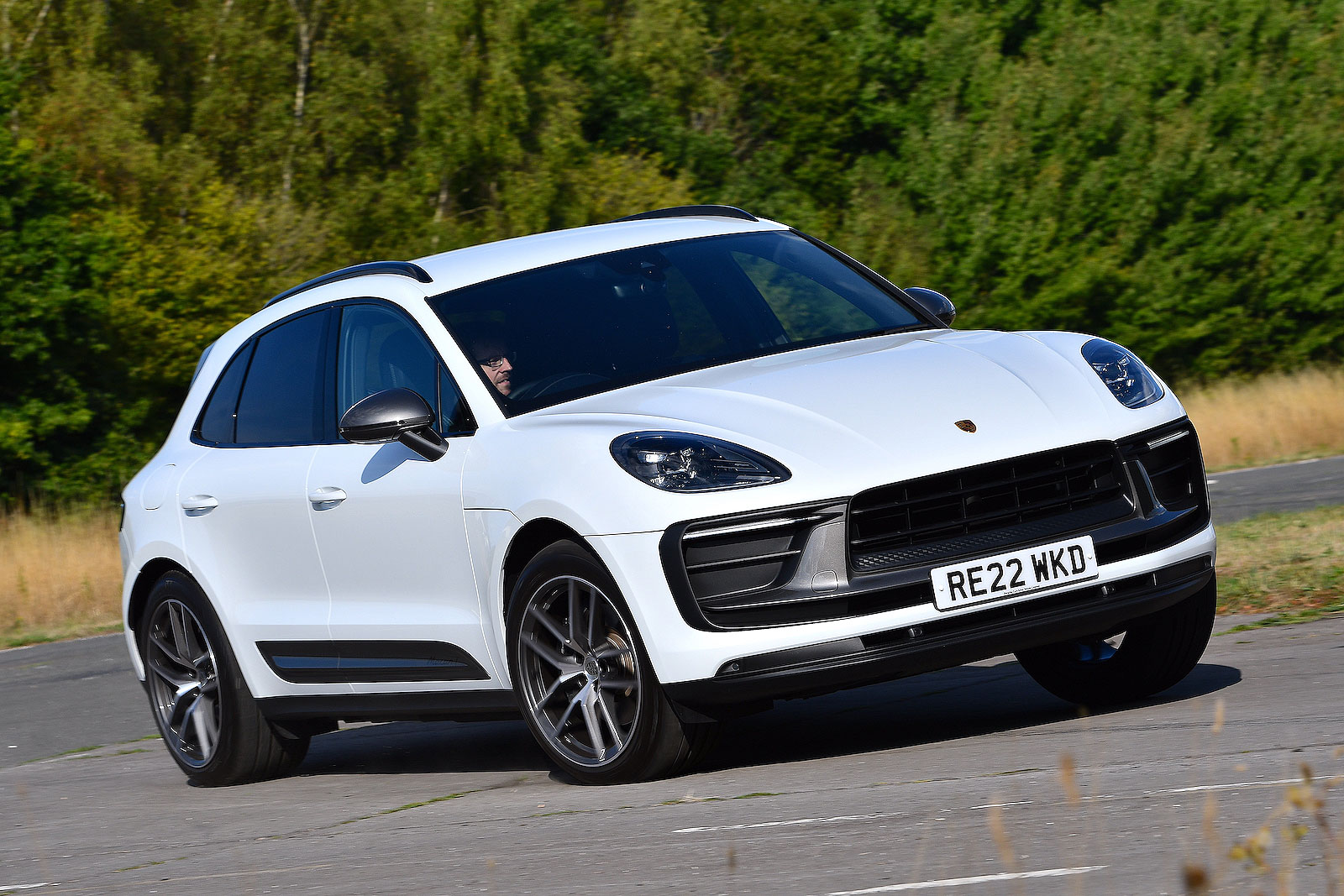
Reliability rating 99.0%
Most common faults: gearbox 1%, non-engine electrics 1%
Average repair cost: 100% £0
Typical time off road: 50% one day or less, 25% one day to a week, 25% more than a week


The Macan may not be the most practical larger SUV, but it is probably the most fun to drive. And, with prices starting at £57,000, it's affordable compared with rivals such as the hotter versions of the Mercedes GLC.
Even better news is that the Macan is the highest-scoring premium SUV for reliability. A mere 5% of the vehicles reported on suffered any issues, and their failings were restricted to non-engine electrical systems and the gearbox. Most problems were quick to fix, too; half of the affected cars were fixed in a day or less, 25% took up to a week to repair and 25% took more than a week. All of the remedial work was paid for by Porsche.
Our data covers the diesel and petrol-engined versions of the Macan aged up to five years old, but not the latest pure electric model.
2. Tesla Model Y (2022-present)
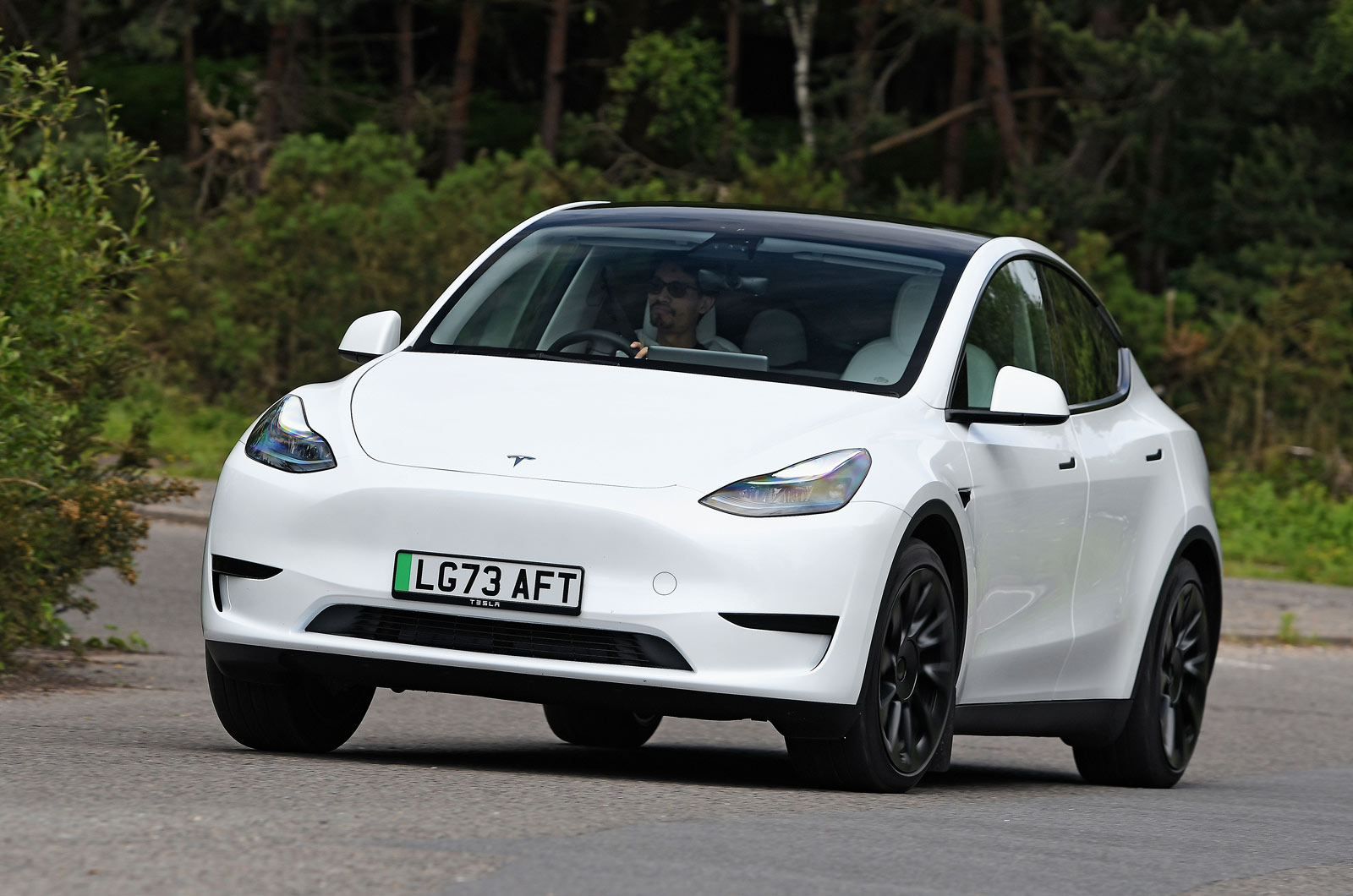
Reliability rating 97.1%
Most common faults: battery pack 2%, brakes 2%, motor electrics 2%, interior trim 2%, suspension 2%
Average repair cost: 100% £0
Typical time off road: 42% one day or less, 58% one day to a week
The Model Y is unusual because it's both extremely swift and highly practical. It's a rival to the fully electric Audi Q4 e-tron and BMW iX1, and it has many appealing attributes, including a long range between charges and the back-up of the brand's rapid and well-maintained public EV charging network.
It was last year’s top-rated electric SUV and is the top-scoring premium electric model in this chart. Twelve percent of owners said their cars went wrong, with defects affecting the EV battery pack, brakes, electric motor and interior trim.
Getting things put right was fairly swift, with 42% of cars back on the road in a day or less and the remaining 58% repaired in less than a week. It’s reassuring, too, to hear that all fixes were paid for by Tesla.
3. BMW X5 petrol and PHEV (2018-present)
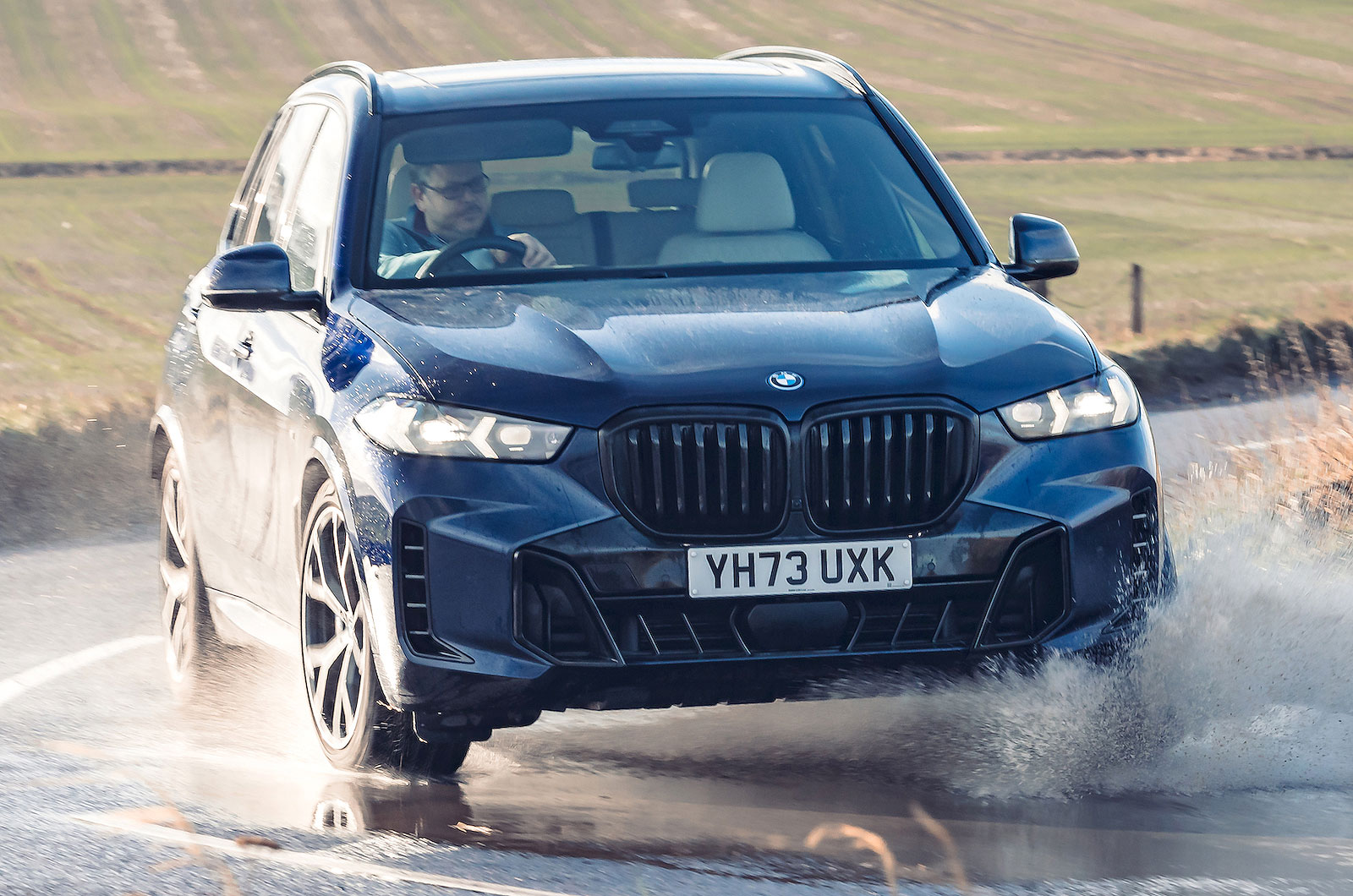
Reliability rating 96.2%
Most common faults: gearbox 7%, bodywork 3%, engine 3%, exhaust 3%
Average repair cost: 100% £0
Typical time off road: 57% one day or less, 29% one day to a week
The BMW X5 is the model that kicked off the craze for sportier SUVs that felt more like cars to drive by sacrificing a bit of its off-road ability for better handling, improved ride comfort and a smarter interior. It has a great interior and is good to drive, but some rivals are more practical.
Pick a petrol or plug-in hybrid (PHEV) model if you want a hassle-free X5. Examples with these types of engine suffer half the faults of diesel models, and their defects tend to be dealt with more quickly.
Fourteen percent of petrol and PHEV X5s went wrong, compared with 40% of diesels, and 57% were repaired in a day or less; only 11% of diesels were. Problem areas for petrol-engined X5s include the bodywork, engine and gearbox. No X5 owners were troubled by repair bills, though, because BMW covered 100% of repairs for petrol, diesel and PHEV models.
4. Mercedes GLB (2019-present)
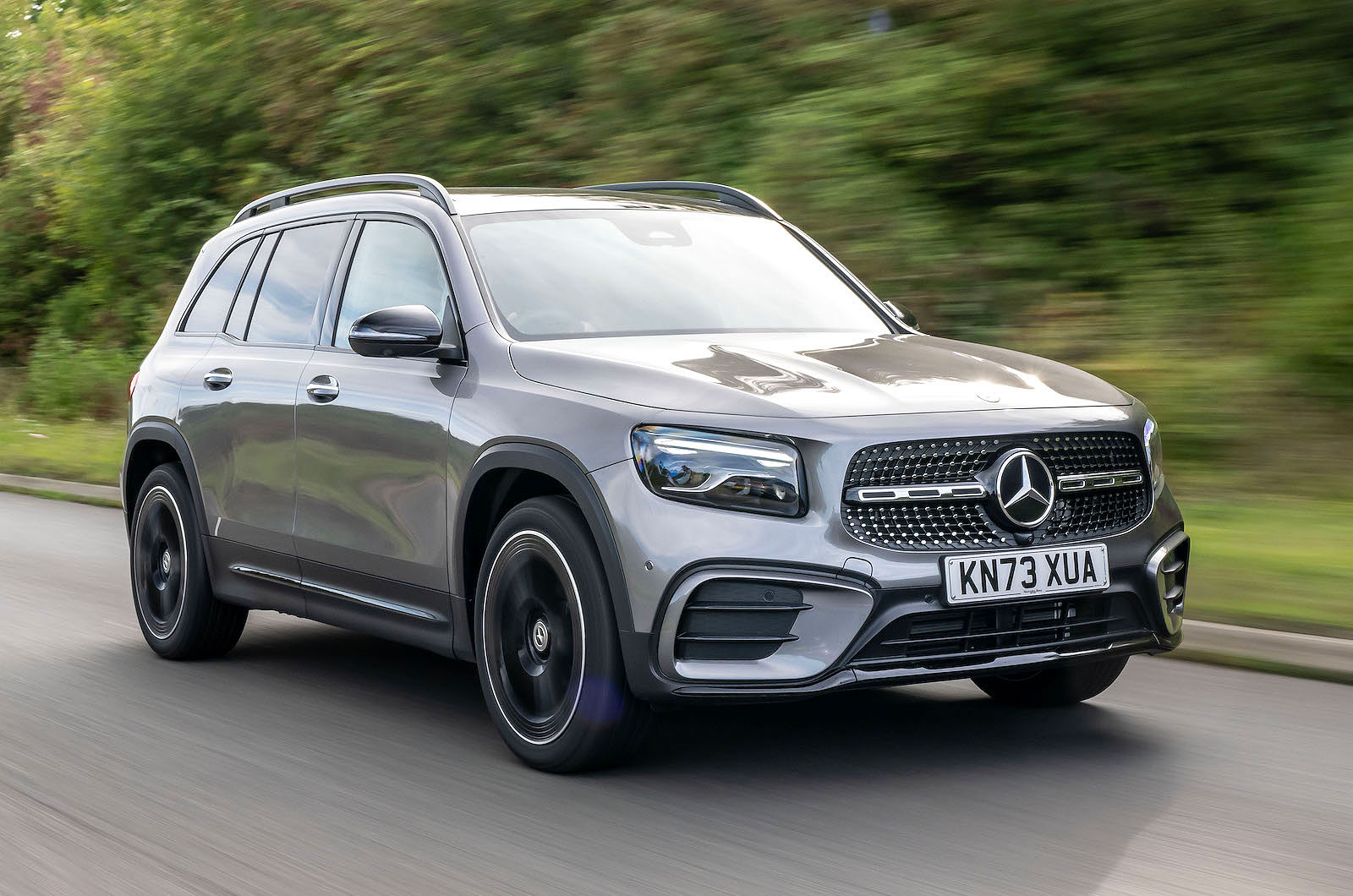
Reliability rating 96.0%
Most common faults: sat-nav / infotainment system 10%, bodywork 5%, engine electrics 5%, interior trim 5%, sat-nav / infotainment system 5%
Average repair cost: 100% £0
Typical time off road: 50% one day or less, 33% one day to a week, 17% more than a week
The GLB is a more practical seven-seater than premium-badged rivals because its boxy shape means there's lots of front space, high positioned second row seats and good access to the two rearmost pews. It comes with a choice of punchy diesel engines and all versions have a classy interior.
Electrical issues – including problems with the infotainment system – were the main bugbear of GLB owners, who told us that 29% of their cars had gone wrong. There were also concerns about the bodywork, engine and interior trim. More positively, Mercedes and its dealers paid for all fixes, even though many vehicles were no longer covered by the brand’s new-car warranty.
In many instances, repairs were swift, too; half of the affected cars were sorted in a day or less, 33% took up to a week to put right and only 17% were in workshops for more than a week.
5. BMW iX3 (2021-2025)
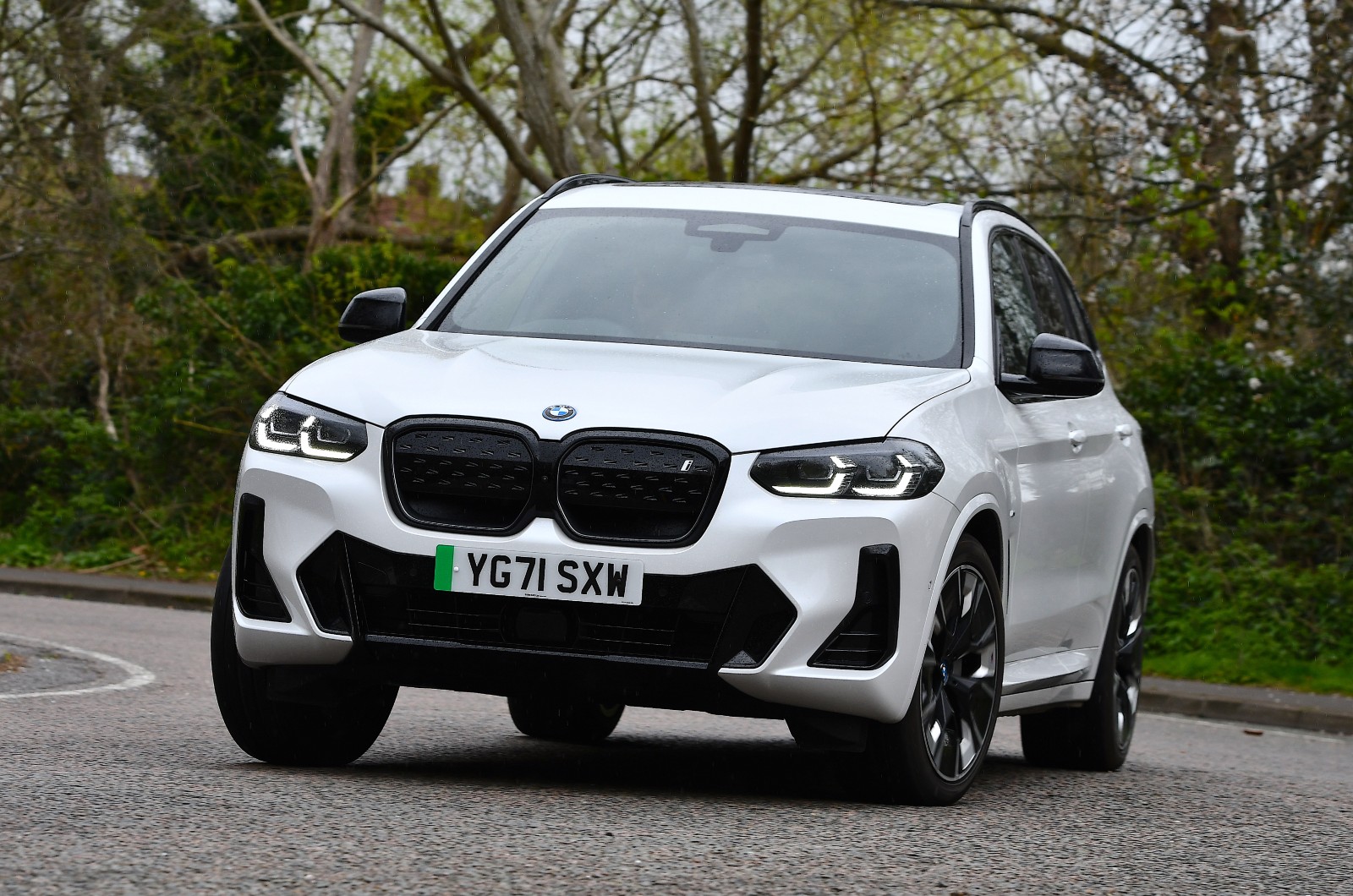
Reliability rating 95.5%
Most common faults: air-con 6%, battery pack 4%, engine electrics 4%, non-engine electrics 4%, sat-nav / infotaiment 2%
Average repair cost: 100% £0
Typical time off road: 9% one day or less, 82% one day to a week, 9% more than a week
The first iX3 is a class act, with a rewarding driving experience and excellent interior quality, making it a good used buy. Based on the same underpinnings as the conventionally powered BMW X3, the iX3 looks very similar to its sibling and is a great option if you want to go electric without shouting to the world about it.
Although 19% of the iX3s we were told about had a glitch, the most common complaint was with the air-con, and the vast majority of faulty cars could still be driven. Overall, most issues were resolved in less than a week, and no owners were left with any unexpected repair bills.
=6. Mercedes GLC (2015-present)
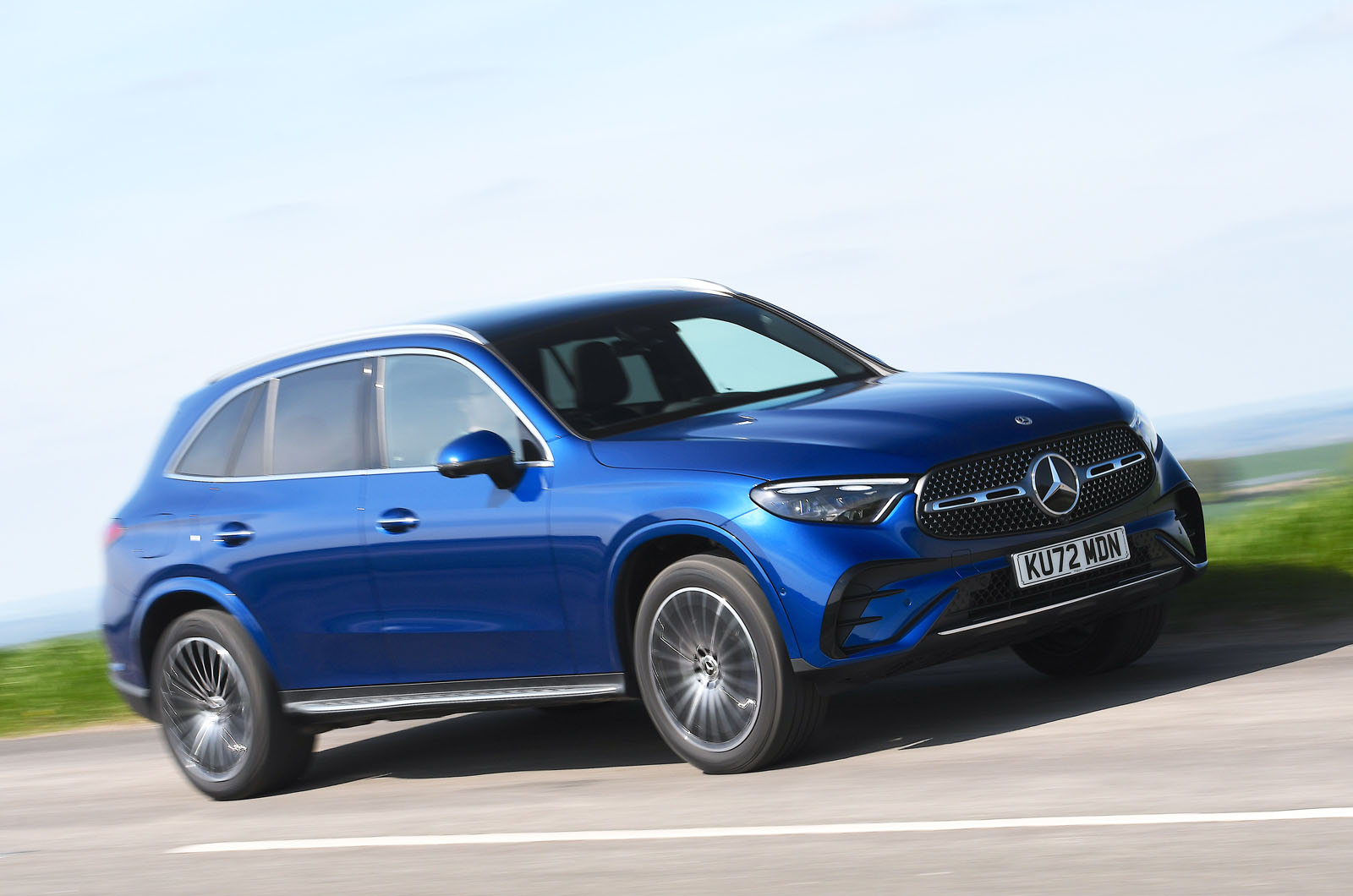
Reliability rating 94.6%
Most common faults: 12-volt battery 5%, non-engine electrics 4%, air-con 2%, hybrid electric motor 2%, engine electrics 2%, interior trim 2%, sat-nav / infotainment system 2%
Average repair cost: 100% £0
Typical time off road: 37% one day or less, 19% one day to a week, 44% more than a week
The GLC is the SUV equivalent of the C-Class saloon in the Mercedes line-up, and it sits between the smaller GLA and larger GLE. It comes with a good range of engine options, including a plug-in hybrid that can officially do up to 70 miles on pure electric power.
It is generally a robust model; the biggest headache for owners is the fact that remedial work can be fairly slow when things do go wrong. According to our data, 21% of the cars reported on had a problem, with issues occurring across a range of areas from the air-con to the sat-nav / infotainment system. Most faulty cars could still be driven, but 44% of them were in the workshop for more than a week. The inconvenience stopped there, though, because Mercedes covered the cost of all necessary repairs.
=6. Land Rover Defender (2020-present)
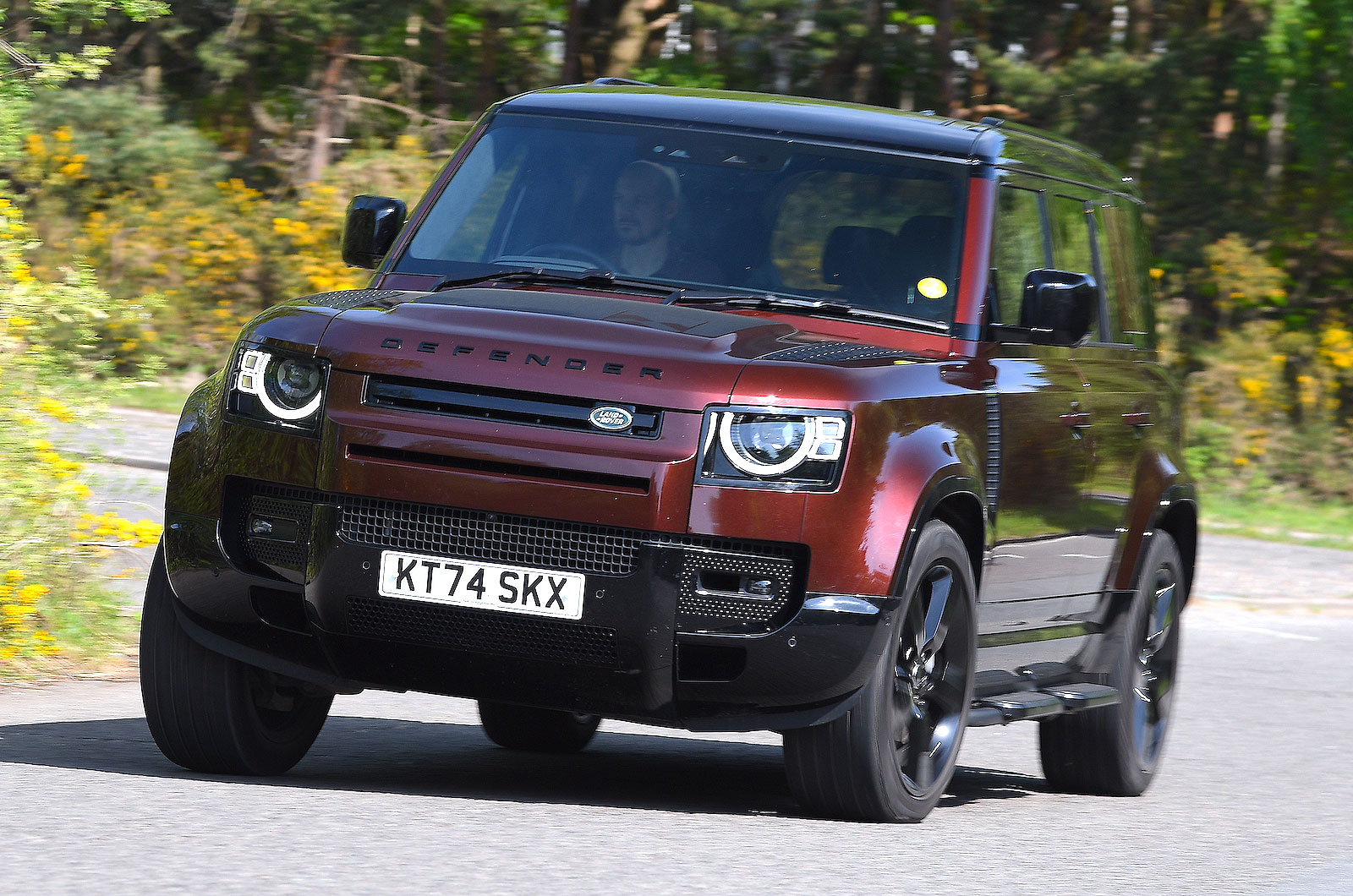
Reliability rating 94.6%
Most common faults: sat-nav / infotainment system 5%, engine 5%, non-engine electrics 3%, air-con 2%, bodywork 2%, brakes 2%, interior trim 2%, steering 2%, suspension 2%
Average repair cost: 100% £0
Typical time off road: 41% one day or less, 53% more than a week
If you want a practical, comfortable premium SUV that's virtually unstoppable off-road, the Defender should be high on your wish list. In 110 D250 form, it secures our top five-star rating. We'd advise buyers to stick with the cheaper trims (our favourite is S) to keep the price respectable, and add air suspension for a smoother ride and tidier handling.
Other good news is that the Defender is looking robust so far. It's Land Rover's second highest scoring model for reliability, just marginally behind the Range Rover Sport. Overall, 22% of the Defenders reported on had an issue, but 88% of those cars could still be driven. Land Rover covered the cost of putting all faults right, but just over half of the affected cars were out of action for more than a week.
8. Mercedes EQA (2021-present)
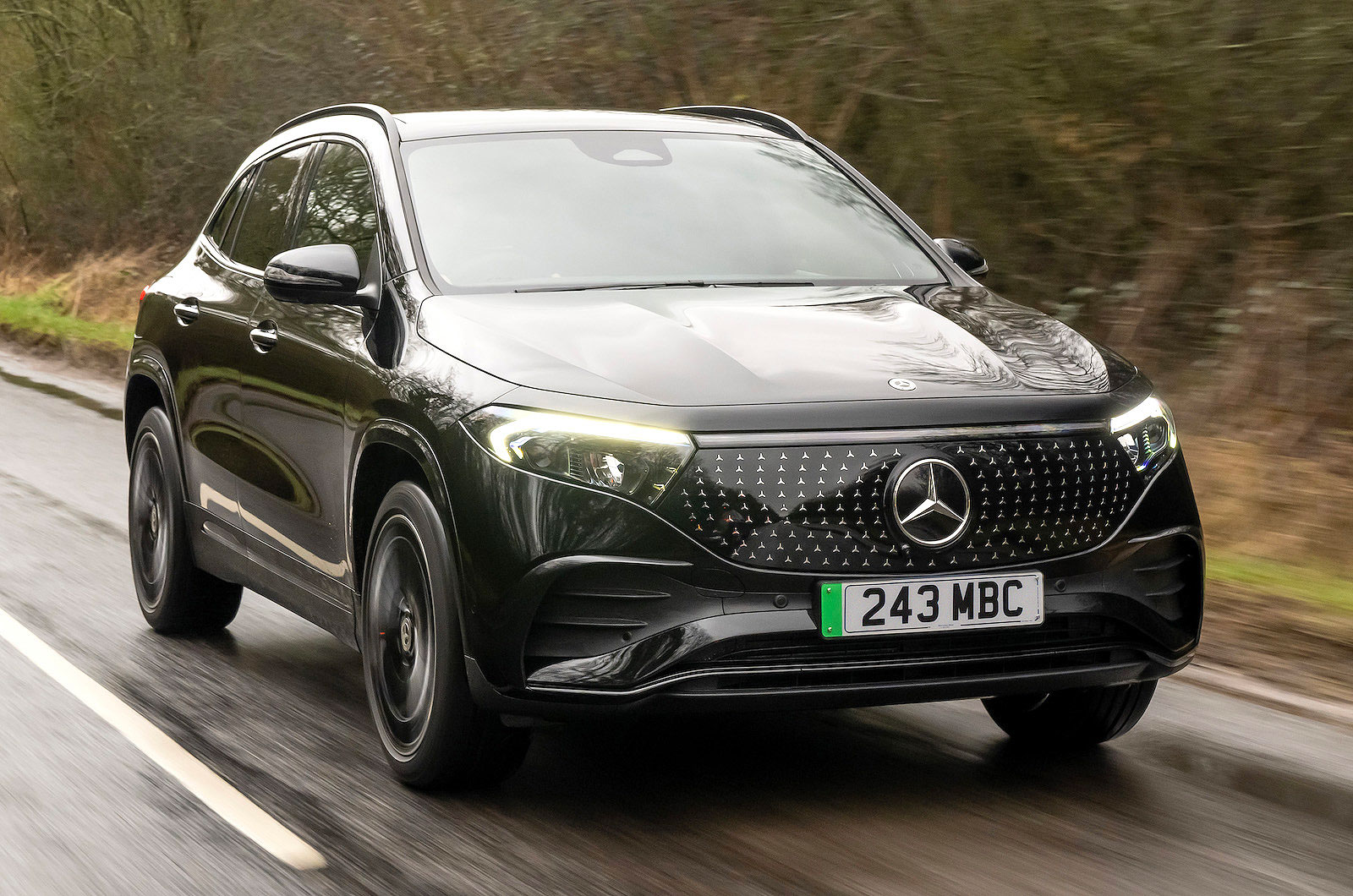
Reliability rating 94.1%
Most common faults: air-con 7%, battery pack 7%, bodywork 3%, brakes 3%, electric motor 3%, sat-nav / infotainment system 3%
Average repair cost: 100% £0
Typical time off road: 40% one day or less, 10% one day to a week, 50% more than a week
The EQA is the pure electric version of the Mercedes GLA family SUV. It’s similar to the Mercedes EQB seven-seater - in fact, the EQA and EQB share the same motor and battery options. Its biggest strength is its long range - it will do up to 345 miles officially - but its firm ride and lofty pricing let it down. Rivals, such as the Genesis GV60 and Kia EV6, are much better all-rounders.
Owners told us that 23% of their EQAs went wrong with a range of issues, including probems with the air-con, battery pack and brakes. Although Mercedes paid for all remedial work, half of the owners of affected vehicles were without their cars for more than a week while they were being fixed.
9. BMW X3 diesel (2018-2024)
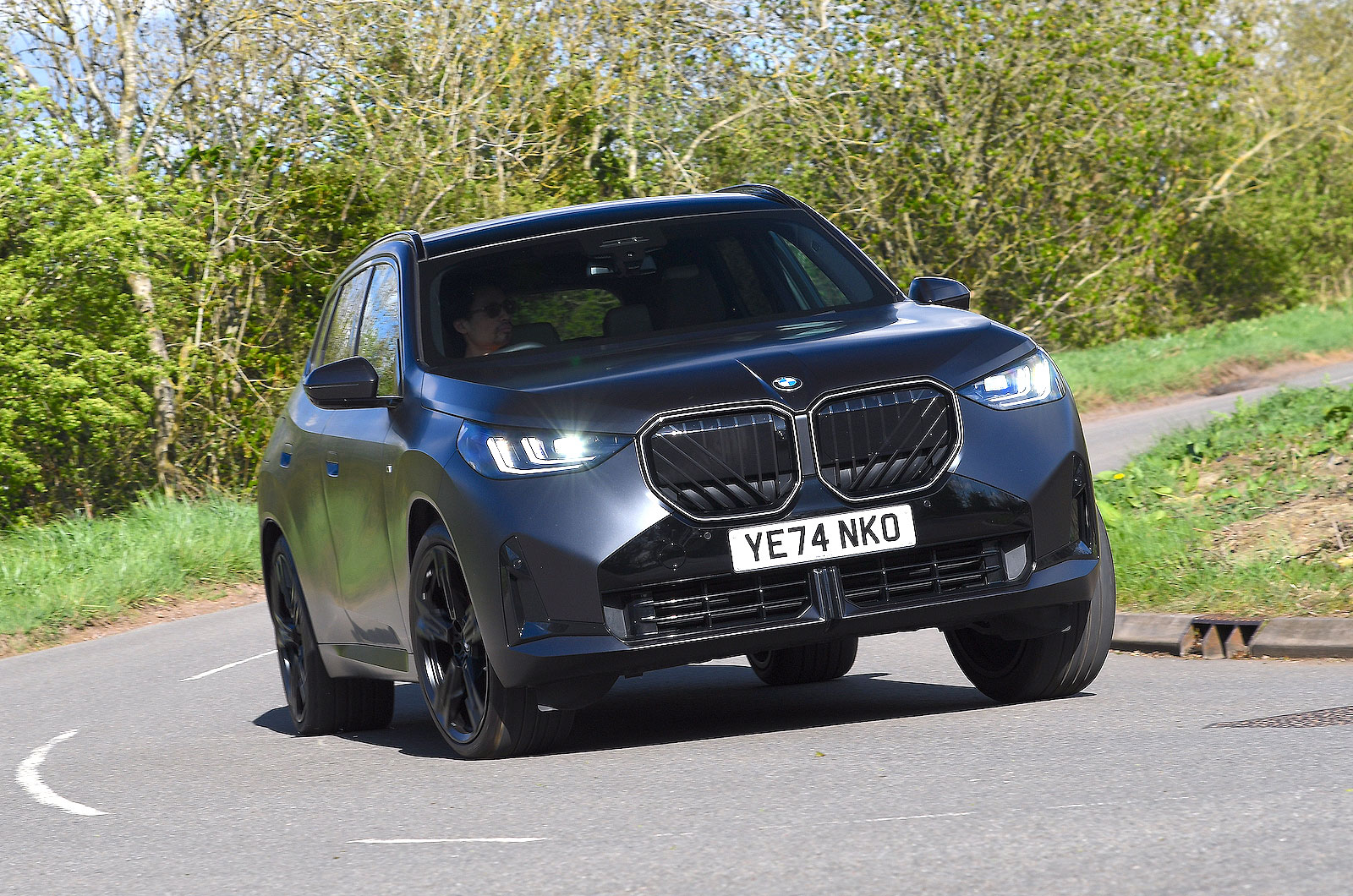
Reliability rating 93.1%
Most common faults: exhaust 7%, sat-nav / infotainment system 5%, bodywork 3%, engine electrics 3%, interior trim 3%, air-con 2%, brakes 2%, engine 2%, non-engine electrics 2%
Average repair cost: 94% cost £0, 6% cost more than £1500
Typical time off road: 31% one day or less, 47% one day to a week, 22% more than a week
The BMW X3 may have been replaced by a fourth-generation model, but the previous-generation version is still one of the best large SUVs you can buy. It has a range of strong engines, sharp handling and is good value as a used buy. Diesel models score better than petrol/PHEV X3s for reliability because they are in and out of the workshop more quickly.
According to our data, 31% of petrol and PHEV X3s went wrong compared with 28% of diesel models. Exhaust problems were more common on diesel models, while those with petrol engines suffered with more electrical glitches and bodywork and interior trim issues. BMW covered most repair costs for diesel models, but a small proportion of owners had to fund repair bills exceeding £1500 per fault. Getting things put right was generally pretty swift, though.
10. Volvo XC60 PHEV (2017-present)
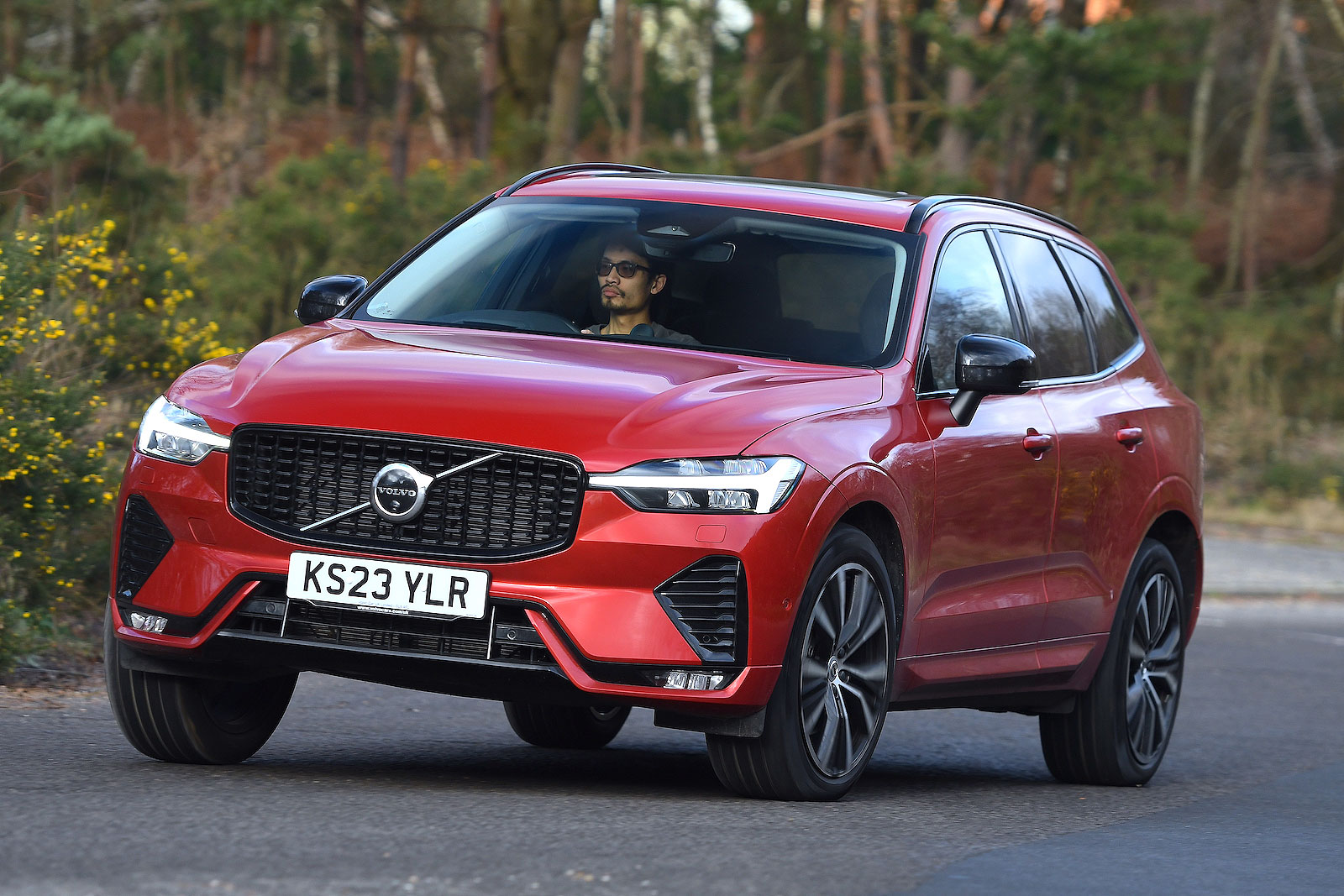
Reliability rating 93.0%
Most common faults: sat-nav / infotainment system 13%, non-engine electrics 7%, air-con 3%, bodywork 3%, interior trim 3%, electric motor 2%, motor electrics 2%, exhaust 2%, suspension 2%
Average repair cost: 100% £0
Typical time off road: 38% one day or less, 36% more than a week
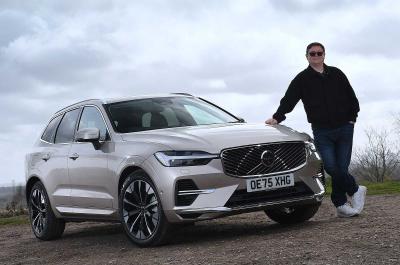
The Volvo XC60 is ageing fairly gracefully and can still manage to fend off newer rivals with its roomy, upmarket interior, well-judged ride and decent handling. It is rather a quiet success story - it is the brand's best-selling model, with 2.7 million examples sold around the world.
It is also highly dependable, with a low fault rate. PHEV versions of the XC60 went wrong less frequently than petrol and diesel models: 23% of PHEVs had a fault compared with 28% of petrol and diesel examples. In addition, PHEVs were back on the road quicker, meaning less inconvenience for owners - 50% of petrol and diesel models were in the workshop for more than a week, compared with 36% of PHEVs. Other good news is that Volvo covered the cost of all repairs.
Least reliable premium SUVs
1. Audi Q7 (2015-present)
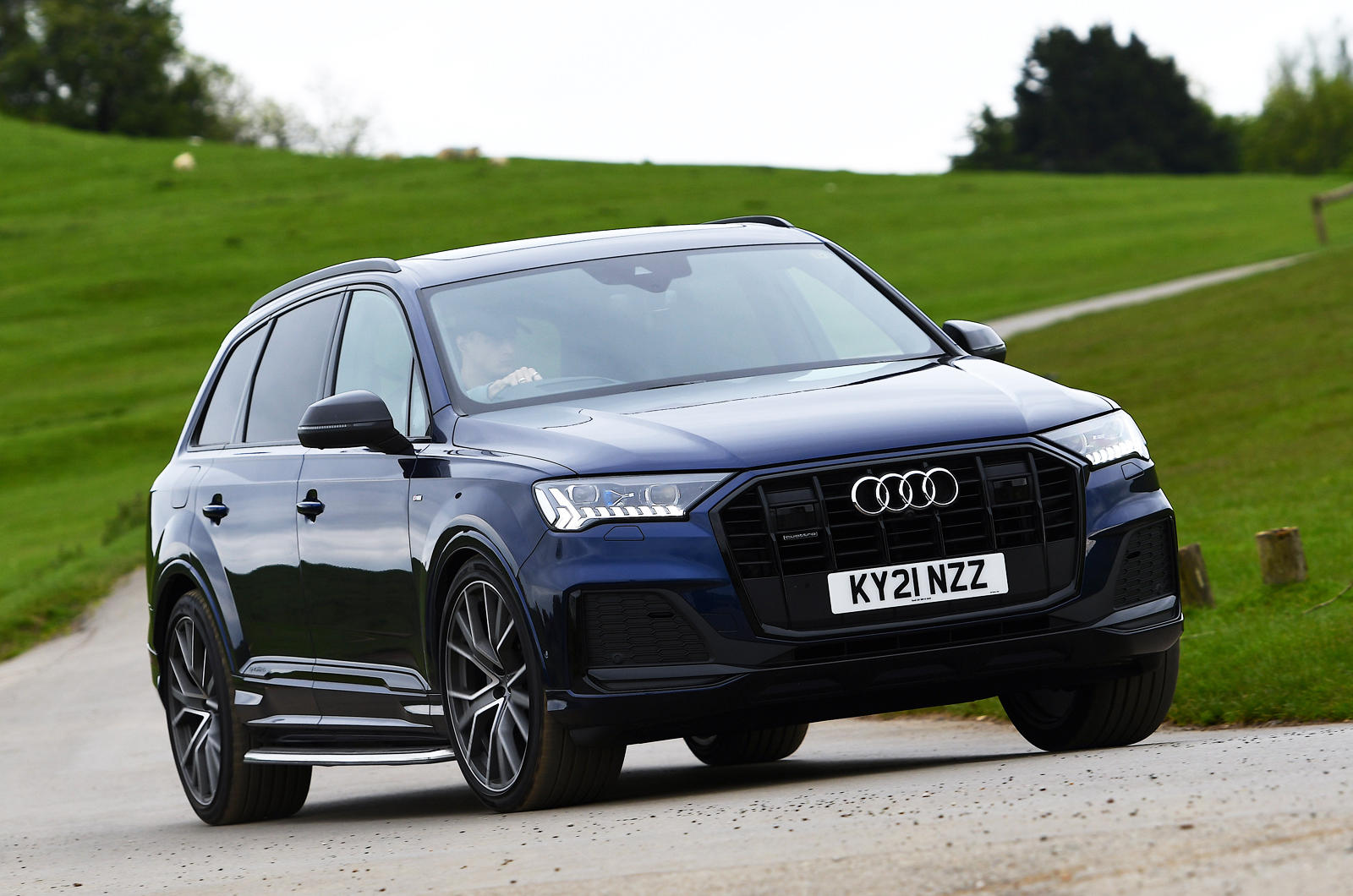
Reliability rating 78.6%
Most common faults: non-engine electrics 20%, engine 7%, exhaust 7%, sat-nav / infotainment system 7%
Average repair cost: 57% £0, 29% more than £1500
Typical time off road: 56% one day to a week, 44% one week or more
The Q7 has long been one of our favourite premium SUVs because it comes with a range of smooth, powerful engines, top-notch interior quality and a glassy ride. However, faults suffered by the Q7 can be far more costly to remedy than those of its main luxury SUV rival, the BMW X5.
Forty-seven percent of Q7s had a problem, most (20%) being caused by non-engine electrical issues. The engine, exhaust and infotainment system were also cited as problematic. No faults were rectified in a day or less; instead, 56% of cars spent up to a week in the garage and the rest were there for more than seven days. Only 57% of expenses were paid for by Audi; some owners were left with bills of up to £200 and 29% ended up more than £1500 out of pocket.
2. Land Rover Discovery Sport (2014-present)
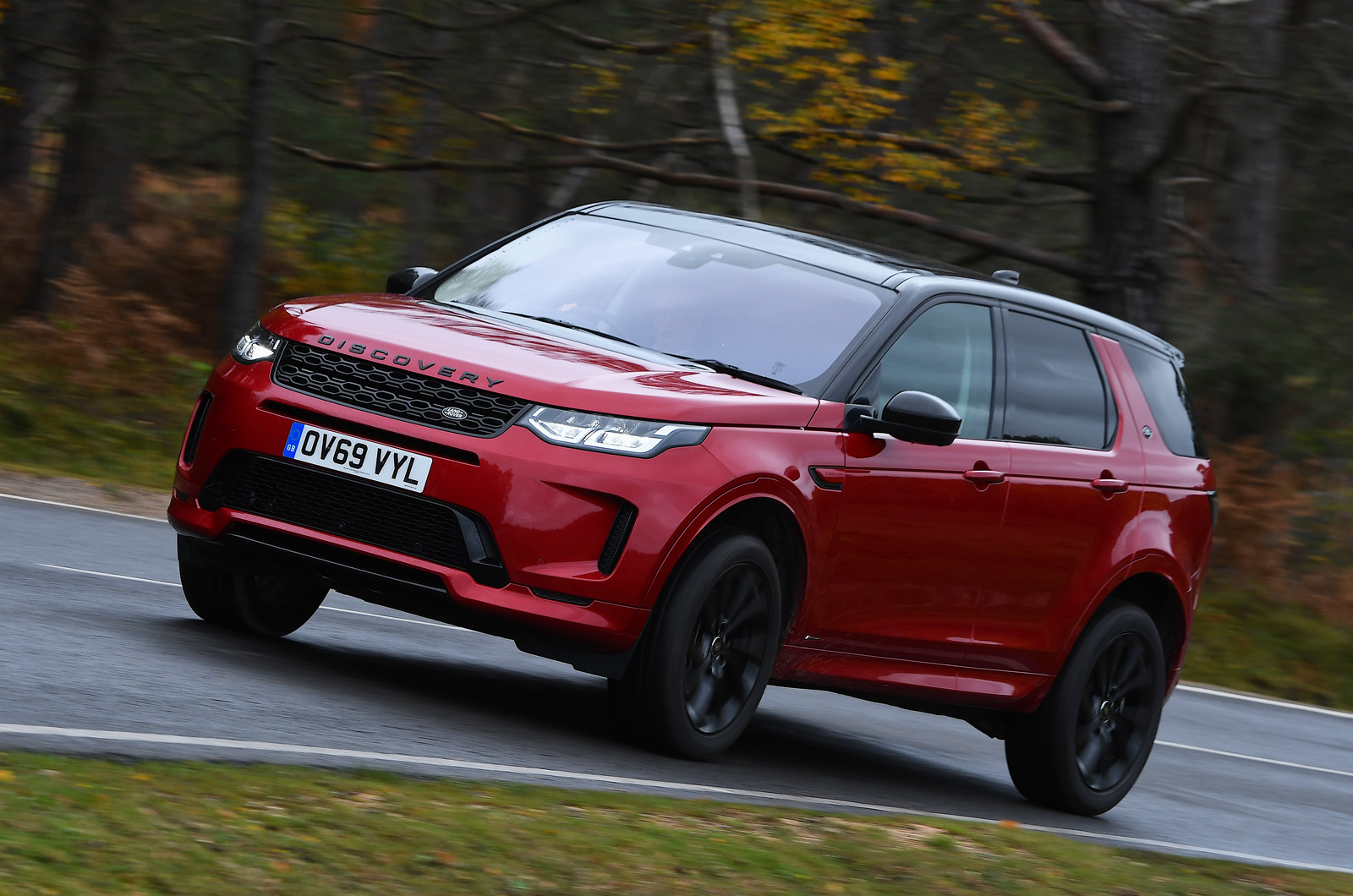
Reliability rating 81.8%
Most common faults: bodywork 11%, electric motor 9%, engine electrics 7%, hybrid battery pack 5%, brakes 4%, exhaust 4%, gearbox 4%, sat-nav / infotainment system 4%
Average repair cost: 87% £0, 8% more than £1500
Typical time off road: 42% one day to a week, 39% more than a week
The Discovery Sport is a more compact and affordable alternative to the enormous Land Rover Discovery. It is a practical and comfortable family load-lugger with a well-finished interior and the option of seven seats with most engines.
However, it suffers far more faults than it should. Our data reveals that 42% of participating owners reported at least one fault.
While bodywork and electrical issues were the main areas of weakness in older petrol and diesel models, the electric motor and EV battery troubled owners of the P300e PHEV (introduced in 2021). Repair work was slow, with 39% of cars off the road for more than a week, but Land Rover covered most costs; 87% of cars were fixed for free, 5% cost owners up to £300 and 8% brought bills that exceeded £1500.
Land Rover Discovery Sport review
3. Audi Q5 petrol / PHEV (2018-2025)
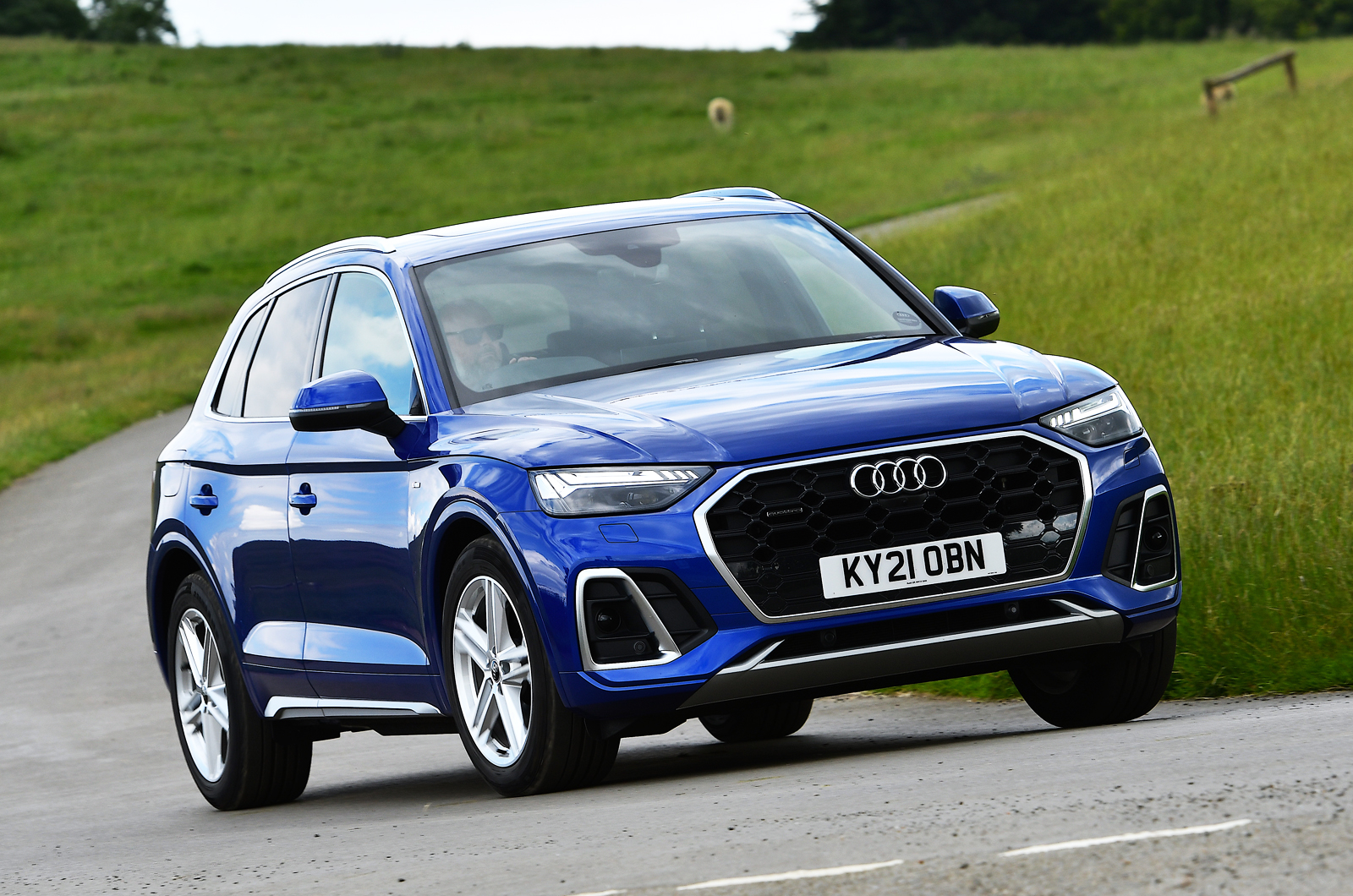
Reliability rating 84.3%
Most common faults: non-engine electrics 13%, engine/motor electrics 10%, air-con 7%, sat-nav / infotainment system 7%, battery pack 3%, b0dywork 3%, electric motor 3%, steering 3%
Average repair cost: 80% cost £0, 20% £201-£750
Typical time off road: 24% one day or less, 53% more than a week
Superb to drive and relatively cheap to run, the Audi Q5 rivals the BM X3 and Mercedes GLC. In many ways, it is one of the best large SUVs you can buy. It has a high-quality interior and comes with a choice of frugal yet punchy turbocharged petrol, diesel, and plug-in hybrid engines. It's available as a traditional SUV or sleeker Sportback coupe-SUV
The reliability record of the petrol and PHEV versions isn't up with rivals, though. According to owners, 39% of their Q5s had some sort of issue, with various electrical glitches and issues with the air-con the most common complaints. It's a shame to see that not all remedial work was paid for by the car maker, leaving some owners with bills of up to £750. On top of that, more than half of faulty cars were out of action for more than a week.
4. Land Rover Discovery (2017-present)
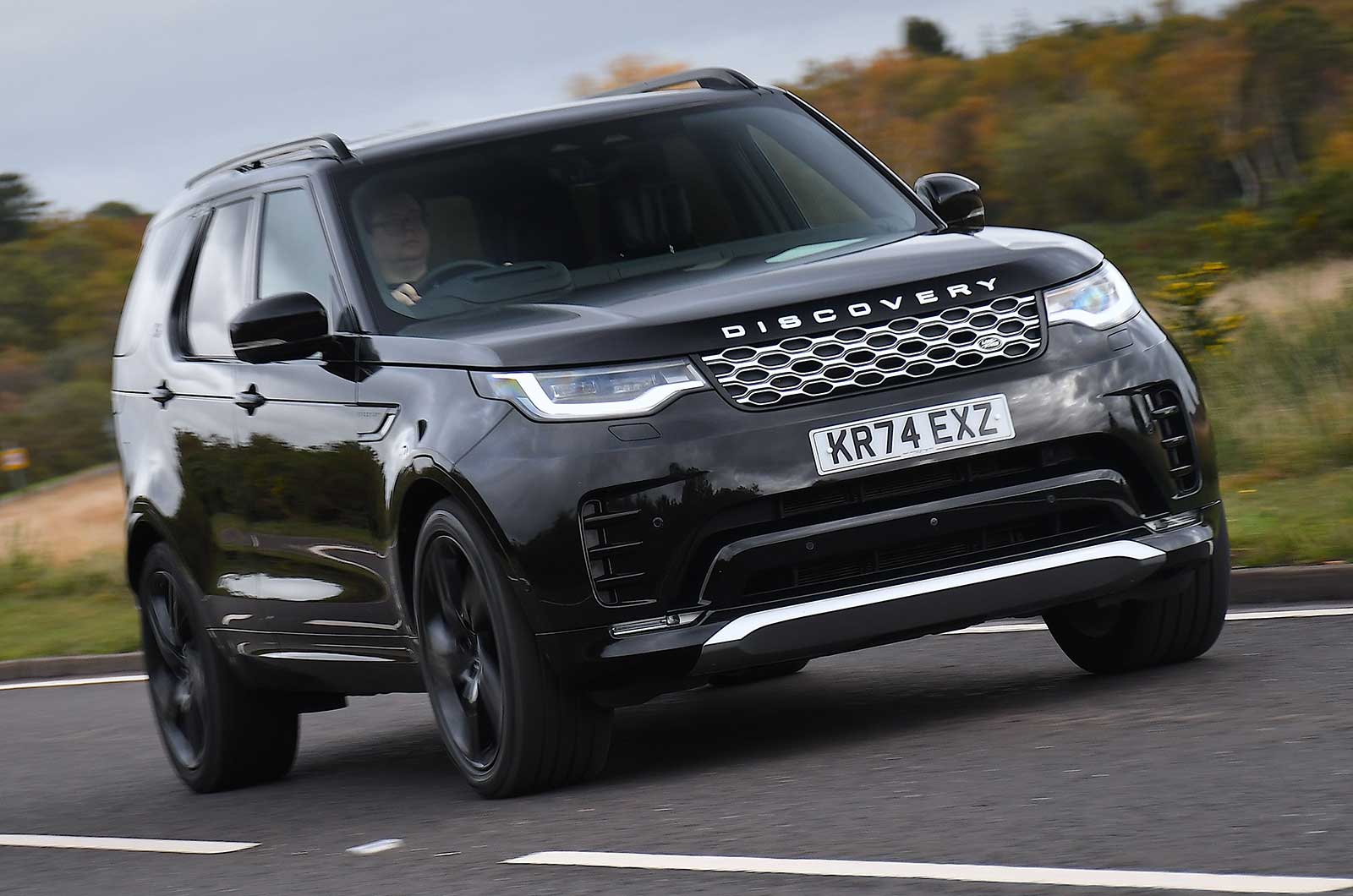
Reliability rating 84.9%
Most common faults: air-con 8%, 12-volt battery 8%, non-engine electrics 8%, bodywork 4%, engine 4%, exhaust system 4%, gearbox 4%, interior trim 4%, sat-nav / infotainment system 4%
Average repair cost: 92% cost £0, 8% £1500 or more
Typical time off road: 54% more than a week, 31% one day to a week
In many ways, the Discovery is the ultimate all-round vehicle. It seats up to seven people in comfort, and it will do pretty much anything you ask of it, including pulling a caravan out of a muddy field. A facelift in 2020 brought tweaked looks, updated infotainment and mild-hybrid engines, which can do up to 40mpg officially.
However, the one big potential drawback is that the model has consistently suffered with a higher than average number of problems. In the latest survey, owners told us half of their Discoverys had an issue, with faults spanning a wide range of areas from the air-con and electrical systems to the engine and gearbox.
The good news is that 69% of the affected cars could still be drien and that Land Rover covered the cost of 92% of remedial work. Not so reassuring is that 54% of cars were out of action for more than a week.
5. Alfa Romeo Stelvio (2017-present)
Reliability rating 85.3%
Most common faults: non-engine electrics 14%, 12-volt battery 9%, interior trim 9%, bodywork 4%, engine 4%, sat-nav / infotainment system 4%
Average repair cost: 85% cost £0, 15% £301-£750
Typical time off road: 77% more than a week, 15% one day or less
While many SUVs have the word sport in their name, not many are actually sporty in nature. The Stelvio lives up to the athletic prowess you'd expect from the brand, especially the range-topping Stelvio Quadrifoglio (QV), which has a Ferrari-sourced, 512bhp V6 petrol engine and performance-tuned suspension and brakes. The rest of the range is pretty sporty too, with all versions powered by a petrol engine that packs a 278bhp punch.
The Stelvio's fault rate of 35% isn't terrible, especially when you consider that all of those cars could still be driven, but the fact that more than three-quarters of faulty cars were in the workshop for more than a week is a concern. Electrical issues seem to be the main bugbear, including problems with the 12-volt battery. On a more positive note, the car maker did cover the cost of repairs for 85% of cars, which is good considering that many of those reported on would have been outside their three-year new car warranty period.
6. BMW X5 diesel (2018-present)
Reliability rating 87.2%
Most common faults: bodywork 16%, exhaust system 16%, engine 8%, suspension 8%, engine electrics 4%, interior trim 4%
Average repair cost: 100% cost £0
Typical time off road: 50% more than a week, 39% one day or less
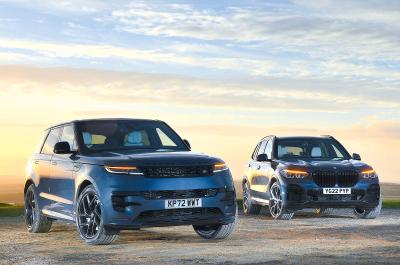
The fourth-generation of the X5 has its work cut out with many updated rivals, including the the Audi Q7, Range Rover Sport and Volvo XC90, but the X5 has moved with the times, by adding more efficient engines, including a plug-in hybrid. However, the diesel X5 options remain a great choice for anyone who wants decent economy and needs some extra oomph to tow a caravan.
That said, the fault rate of 40% for diesel models is a concern - it's way higher than the 14% of petrol and PHEV versions that went wrong. The most common complaints were with the bodywork and exhaust system, and it's great to see that BMW paid for all the necessary repair work. While more than a third of issues were put right in a day or less, half of faulty cars were out of action for more than a week.
7. Genesis GV60 (2022-present)
Reliability rating 87.3%
Most common faults: sat-nav / infotainment system 11%, 12-volt battery 6%, EV battery pack 6%, bodywork 6%, electtric motor 6%, charging system 6%, gearbox 6%, non-motorelectrics 6%
Average repair cost: 100% cost £0
Typical time off road: 77% more than a week, 11% one day or less
You'd be forgiven for not knowing what a GV60 is - they are pretty rare on UK streets. Just so you know, it is a premium, all-electric compact luxury SUV/crossover from Hyundai Motor Group's luxury brand, that was launched in 2022, and is noted for its stylish design, high-quality cabin, and quick 800V charging. It's good news that it shares its underpinnings with the Hyundai Ioniq 5 and Kia EV6, both of which are good models in their own right.
Unfortunately it doesn't appear to be as robust as these siblings. Owners told us that 39% of their GV60s went wrong, but two-thirds of those cars could still be driven. Although Genesis forked out for the repairs on all affected cars, just over three-quarters were in the garage for more than a week being fixed.
8. Audi Q5 diesel (2018-present)
Reliability rating 87.8%
Most common faults: gearbox 12%, engine 9%, 12-volt battery 6%, brakes 6%, exhaust system 6%, non-engine electrics 6%, interior trim 3%, sat-nav / infotainment system 3%, suspension 3%
Average repair cost: 100% cost £0
Typical time off road: 56% more than a week, 28% one day or less
Even though Audi is launching a whole line of pure electric SUVs, it's still ensuring its petrol and diesel models are up to scratch. The A5 has new underpinnings that allow it to take the brand’s latest fuel-saving mild-hybrid technology for its petrol version. However, the 2.0-litre diesel is our preferred choice because it has plenty of pulling power from low revs and is muscular enough to feel flexible and effortless in everyday driving.
The diesel is also the better choice if you're after a dependable premium SU - owners told us it has a fault rate of 32% compared with 39% for petrol and PHEV versions. It is a worry that the most frequently cited problem areas were the engine and gearbox, and that 56% of cars were off the road for more than a week. However, it's reassuring to see that Audi covered the cost of all remedial work.
9. BMW X3 petrol / PHEV (2018-2024)
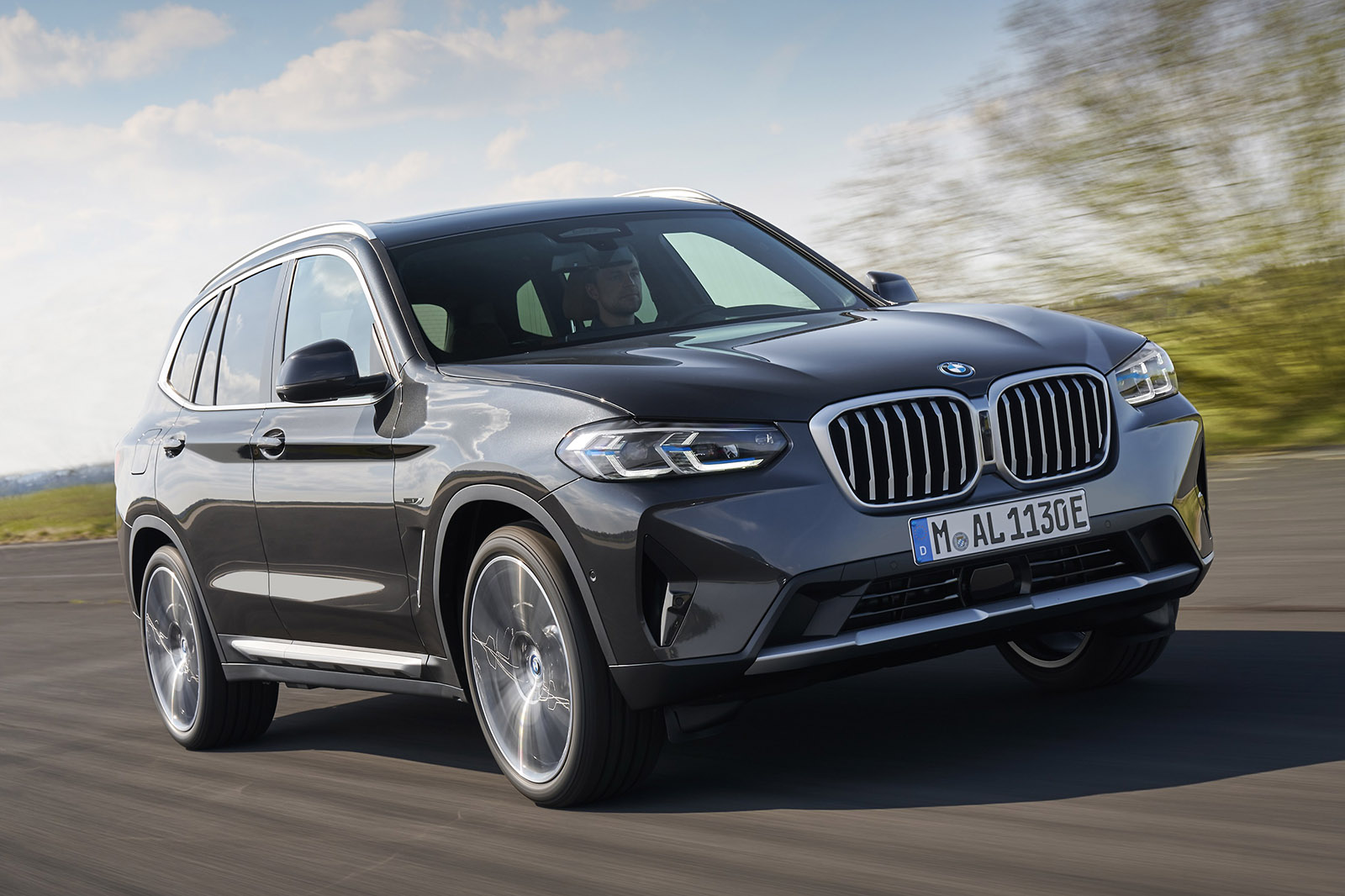
Reliability rating 87.8%
Most common faults: bodywork 12%, sat-nav / infotainment system 8%, engine 4%, exhaust 4%, interior trim 4%, non-engine electrics 4%, suspension 4%
Average repair cost: 100% cost £0
Typical time off road: 66% more than a week, 25% one day or less
Thanks to tidy handling and a highly practical, quality interior, the third-generation BMW X3 is still one of the best premium SUVs you can buy. It's also a great used buy with prices starting at around £20,000 for an early petrol model.
In contrast to the Audi Q5, petrol and PHEV versions of the X3 are more prone to problems than the diesels. According to our survey, 31% of petrol and PHEV X3s had a issue, compared with 28% of diesels. Although most issues were with the bodywork, two-thirds of cars took more than a week to put right. However, owners weren't left with any surprise bills, though, because BMW took care of all the costs.
10. Audi Q4 e-tron (2021-present)
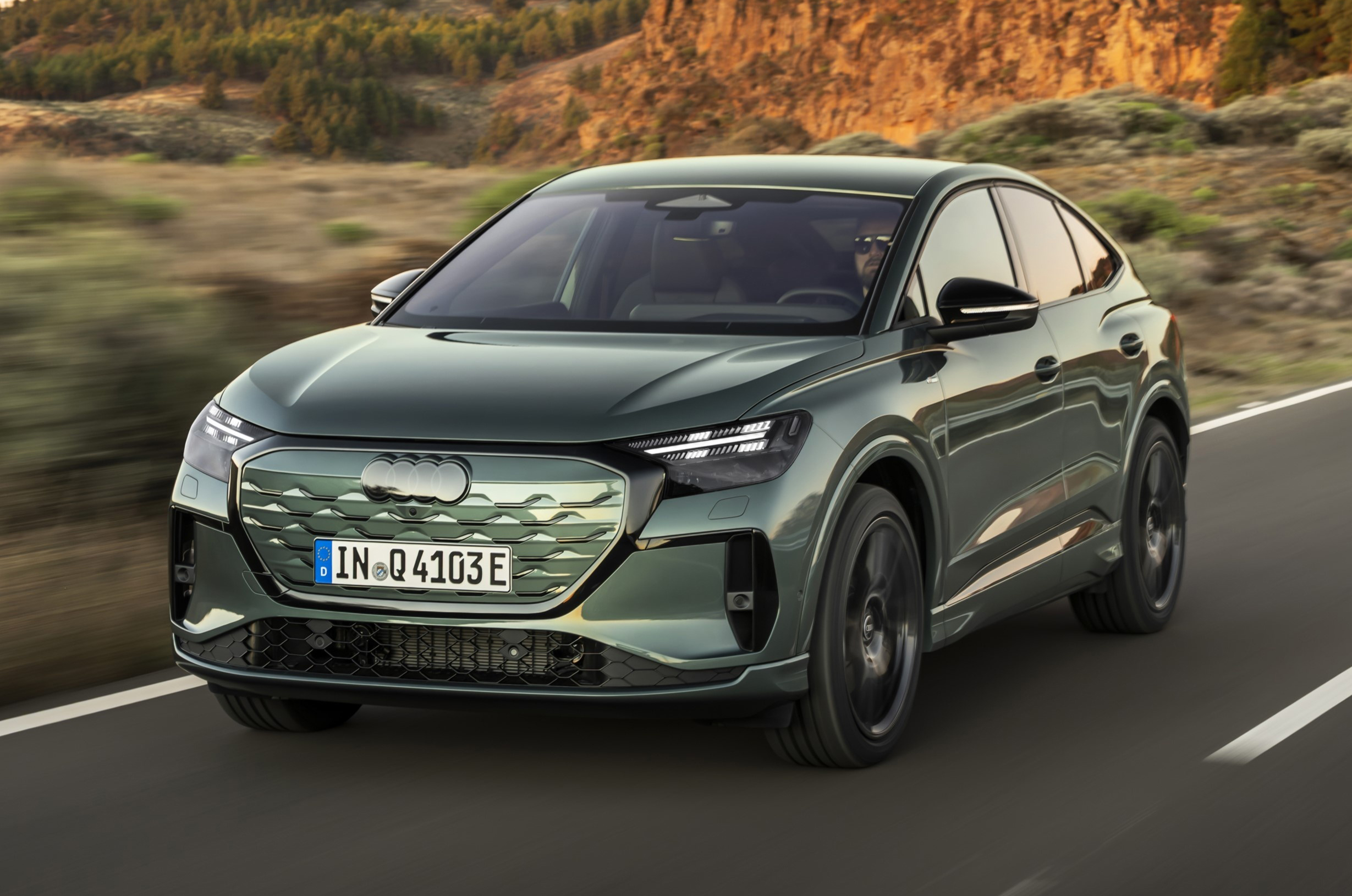
Reliability rating 90.4%
Most common faults: brakes 10%, non-motor electrics 10%, EV battery pack 6%, air-con 4%, 12-volt battery 4%, charging system 4%, sat-nav / infotainment system 4%, steering 2%, suspension 2%
Average repair cost: 80% cost £0, 20% £201-£750
Typical time off road: 52% more than a week, 28% one day or less
The Q4 e-tron is the most affordable pure electric SUV in Audi's line-up, but that doesn't mean it stints on many things, It's closely related to the Skoda Enyaq and Volkswagen ID 4, and it promises more upmarket technology and a plusher interior than these rivals for a small price premium. Our top choice is the 45 Sport version because it offers the best mix of performance, range and equipment.
While the Q4 e-tron is in our bottom 10, its reliability rating of 90.4% puts it above the Volkswagen ID-4, which only mustered 79.6% in our survey. It does lag a bit behind the Skoda Enyaq, though, which scored 91.3%.
We were told that 29% of the cars reported on went wrong, but that 88% of them could still be driven. Remedial work could be slow - 52% of cars were in the workshop for more than a week - and it's a shame that Audi only covered the cost of 80% of repairs.
Reliability of all premium SUVs aged up to five years old
| Rank | Make and model | Score |
| 1 | Porsche Macan petrol/diesel (2014-present) | 99.0% |
| 2 | Tesla Model Y (2021-present) | 97.1% |
| 3 | BMW X5 petrol / PHEV (2018-present) | 96.2% |
| 4 | Mercedes GLB (2019-present) | 96.0% |
| 5 | BMW iX3 (2021-present) | 95.5% |
| 6 | Mercedes GLC (2015-present) | 94.6% |
| 7 | Land Rover Defender (2020-present) | 94.6% |
| 8 | Mercedes EQA (2021-present) | 94.1% |
| 9 | 2018-2024 BMW X3 diesel | 93.1% |
| 10 | Volvo XC60 PHEV (2017-present) | 93.0% |
| 11 | Volvo XC60 petrol/diesel (2017-present) | 92.5% |
| 12 | Volvo XC90 (2015 - present) | 90.9% |
| 13 | Range Rover Velar (2017-present) | 90.5% |
| 14 | Audi Q4 E-tron (2021-present) | 90.4% |
| 15 | 2018-2024 BMW X3 petrol PHEV | 89.6% |
| 16 | Audi Q5 diesel (2018-present) | 87.8% |
| 17 | Genesis GV60 (2022-present) | 87.3% |
| 188 | BMW X5 diesel (2018-present) | 87.2% |
| 18 | Alfa Romeo Stelvio (2017-present) | 85.3% |
| 20 | Land Rover Discovery (2017-present) | 84.9% |
| 21 | Audi Q5 petrol PHEV (2018-2025) | 84.3% |
| 22 | Land Rover Discovery Sport (2014-present) | 81.8% |
| 23 | Audi Q7 (2015-present) | 78.6% |
To read the reliability data for other car classes follow these links:
Most and least reliable cars overall
Most reliable car brands
Most reliable small cars
Most reliable family cars
Most reliable executive cars
Most reliable luxury cars
Most reliable small SUVs
Most reliable family SUVs
Most reliable seven-seaters
Most reliable electric cars
Most reliable electric SUVs
Most reliable sports cars
Most reliable diesel cars
Most reliable petrol cars
Most reliable hybrid cars
How the research was carried out
The latest What Car? Reliability Survey gained 29,967 responses and that enabled us to report on 199 models (up to five years old) from 31 different brands.
To compile the survey, conducted in association with MotorEasy, we ask thousands of car owners to tell us how well their cars had behaved over the previous 24 months.
For every car that has suffered a fault, we ask in what area the issue occurred, plus how much it cost to repair and how long it spent in the workshop. This information is used to create a reliability rating for each model and brand where we have a large enough response rate.
About the report author
Claire Evans has been a motoring journalist for more than 30 years, and has focussed on consumer issues for much of that time. She was the advice columnist for Carweek magazine in the 1990s, helping car owners with faulty cars get the right level of reparation from car makers.
She also spent six years working on motoring content for Which?, and it is here she oversaw the running of the charity's annual used car reliability survey.
Claire launched the What Car? Reliability Survey in 2017, and since then has helped thousands of buyers choose the most reliable new cars and SUVs, as well as the most dependable used cars.
For all the latest reviews, advice and new car deals, sign up to the What Car? newsletter here